contact me at robert.rothman@rit.edu
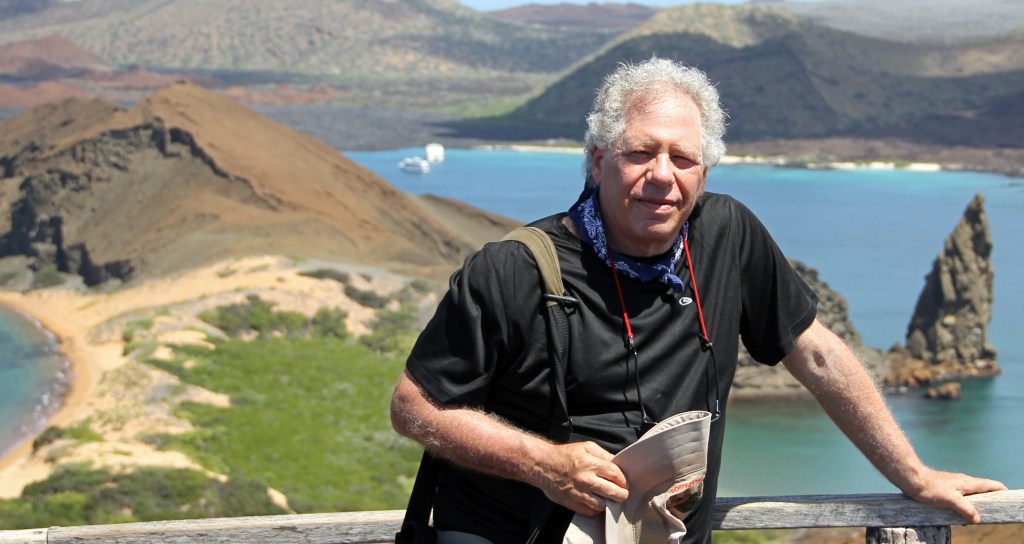
I am Professor Emeritus in the School of Life Sciences, at the Rochester Institute of Technology. My early interest in vertebrate paleontology, natural history, and evolution led me to pursue a B.A. in Paleontology. In graduate school I became interested in genetics and molecular biology and earned a Ph. D. in Genetics from the University of California, Berkeley where I studied the mechanism by which bacteria repairs UV-induced DNA damage. At RIT, where I taught for 37 years, I was hired to get their newly-instituted Biotechnology program up and running. I developed and taught what was probably the first undergraduate lab course in recombinant DNA technology in the country. But being in a biology department, rather than a molecular biology department, allowed me to pursue some of my earlier interests. As a result, I developed courses in vertebrate evolution, the evolution/creation controversy, and bioethics. I also taught courses in general and medical microbiology. In 1998 I was a recipient of RIT’s Richard and Virginia Eisenhart Award for Outstanding Teaching, and a Lifetime Achievement Award from the College of Science in 2019
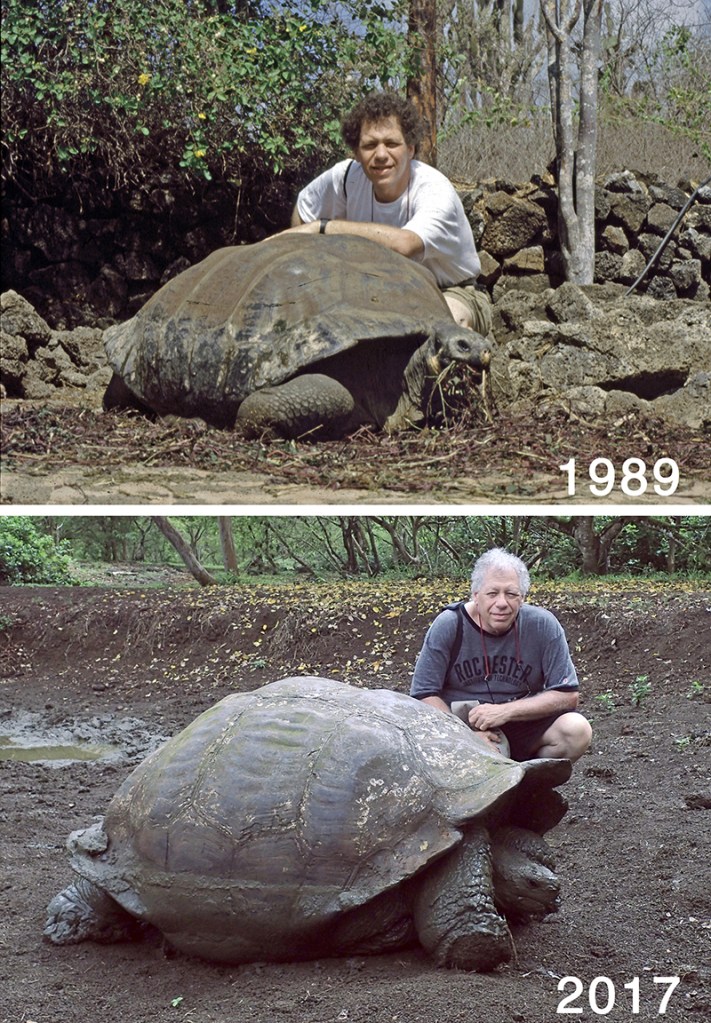
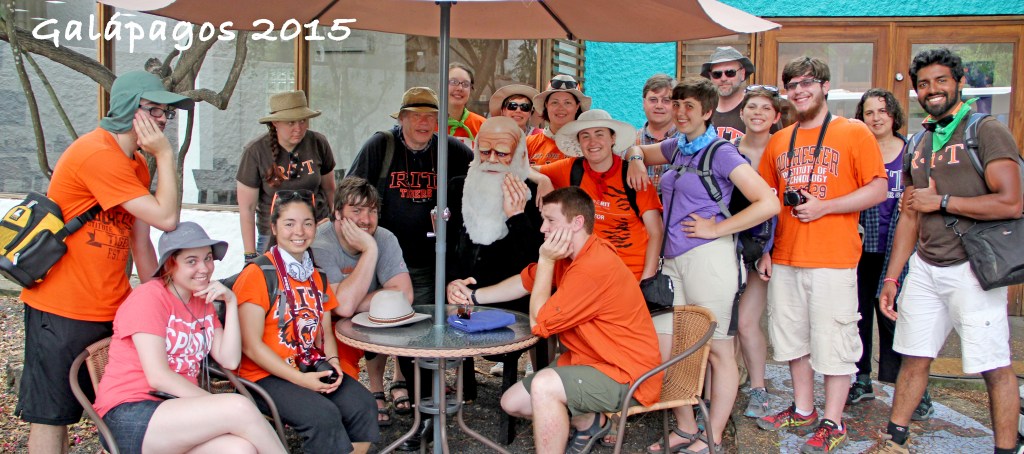
In 1989 I had the opportunity to visit the Galápagos on what I thought would be a once-in-a-lifetime trip. At the end, however, I knew that I had to come back, and I also knew that I wanted to introduce my students to these enchanted islands. Almost every year since then I have organized and led a field course in the Galápagos that has allowed me to return more than 30 times with students. This course became one of the very first, and longest running study abroad program that RIT offers. In addition to my RIT trips, I have led tours for Galápagos Holidays and for Blyth Travel, both in Toronto, and for the Toronto Zoo.
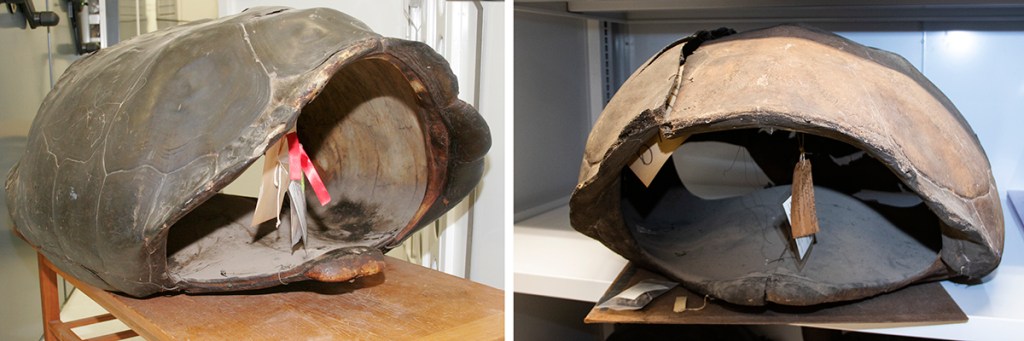
My trips to the Galápagos reoriented my scholarly interests, the result of which is a peer-reviewed two-volume book, A Paradise for Reptiles: Lizards, Snakes, and Giant Tortoises of the Galápagos Islands, published by RIT Press. A spin-off project was a paper about two historical tortoise specimens that were collected by the USS Potomac in 1834. In addition to my Galápagos visits, I have traveled extensively through Ecuador.
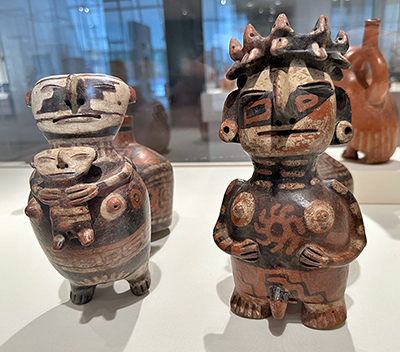
My regular visits to the Galápagos have led me to study Spanish, and while I’m not fluent, I can get around pretty well. I have also become very interested in PreColumbian culture, history, art, and music and have sampled traditional Andean cuisine, like cuy – roasted guinea pig – and chicha, native corn beer. I have read widely about the Incas, Columbus, and the early history of Spanish discovery and conquest in South America.
One of the great joys of being a teacher and a writer is the ability to share my interests and passions with others. The classroom is one way of sharing, my books are another, and this website is yet a third. The site is a work in progress and is still evolving, so please come back.
contact me at robert.rothman@rit.edu
A note about the 1989 photo of me with the tortoise. When the Galápagos was declared a national park in 1959 it became illegal to keep tortoises as pets and thus many were returned to the Charles Darwin Research Station where the males and females were segregated to separate corrals. The male corral was open to visitors and one could come in and sit among the tortoises. This was one of my favorite spots in the Galápagos. As pets, these tortoises were used to being around, and being handled by humans, so touching was not only permitted, but encouraged. Those tortoises were great ambassadors. Over time, however, touching the tortoises was prohibited. All that was asked was that visitors not touch the tortoises and not stand on their feeding platform. Of course, visitors touched the tortoises and stood on the feeding platforms (a common symptom of STD: Stupid Tourist Disorder) and the corral was closed. Eventually those tortoises were moved out and replaced by hybrids of now extinct Floreana tortoises that had been transferred to Volcán Wolf in the 19th century and had mated with tortoises there. The goal is to establish a captive breeding program that will enable the rewilding of Floreana with tortoises possessing as much of the original Floreana species’ genome as possible.
 Darwin's Galapagos